|
|
Muby Chemicals and a few more manufacturing units are owned by Kamdar Family. Mubychem Group is the pioneer manufacturer of Mono Di Tri Sodium Phosphate etc. in India. Established in 1976, we have led a quality revolution across our product range. Mubychem group has several manufacturing facilities spread across Western India. Our associated facility is Food & Drug Administration (FDA) GMP approved to manufacture a wide range of pharmaceutical excipients and food chemicals. We have ISO-9001-2008 Certification ISO-22000-2005 HACCP Certification, Kosher and Halal Certification. We have European "Reach" Registration for exports.
Email This Page Info to a Colleague or Yourself
----
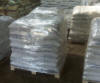
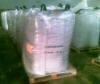
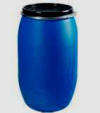
Mono Monosodium Monobasic Sodium Phosphate Monobasic Manufacturers
Di Disodium Dibasic Sodium Phosphate Dibasic Manufacturers
Tri Trisodium Tribasic Sodium Phosphate Tribasic Manufacturers
Sodium Phosphate BP USP IP ACS FCC ManufacturersTrisodium Phosphate, Sodium Phosphate Tribasic Manufacturers, MSDS Sheet
Material Safety Data Sheet Trisodium phosphate MSDS Sheet Sodium phosphate tribasic
1. Product Identification
Synonyms: Trisodium phosphate, 12-Hydrate; Phosphoric Acid, Trisodium salt, Dodecahydrate Tri sodium phosphate, Tribasic sodium phosphate, Sodium phosphate tribasic.
CAS No.: 7601-54-9 (Anhydrous) 10101-89-0 (Dodecahydrate)
Molecular Weight: 380.12
Chemical Formula: Na3PO4 . 12H2O2. Composition/Information on Ingredients
Ingredient: Sodium Phosphate, Tribasic
CAS No.: 7601-54-93. Hazards Identification
Emergency Overview
--------------------------
WARNING! HARMFUL IF SWALLOWED OR INHALED. CAUSES IRRITATION TO SKIN, EYES AND RESPIRATORY TRACT.
-----------------------------------------------------------------------------------------------------------
Health Rating: 2 - Moderate
Flammability Rating: 0 - None
Reactivity Rating: 1 - Slight
Contact Rating: 2 - Moderate
Lab Protective Equip: GOGGLES; LAB COAT; VENT HOOD; PROPER GLOVES
Storage Color Code: Green (General Storage)
-----------------------------------------------------------------------------------------------------------
Potential Health Effects
----------------------------------
Inhalation: Tri Sodium Phosphate causes irritation to the respiratory tract. Symptoms may include coughing, shortness of breath. Behaves as a moderately strong alkali; intense exposure may result in the destruction of mucous membranes. May cause asthmatic bronchitis, chemical pneumonitis, or pulmonary edema.
Ingestion: Trisodium Phosphate causes irritation to the gastrointestinal tract. Symptoms may include nausea, vomiting and diarrhea. May cause mild burning of mouth, throat, and stomach. Its alkaline nature may injure the esophagus and digestive tract. Aqueous, highly alkaline solutions may produce caustic burns.
Skin Contact: Tribasic Sodium Phosphate causes irritation to skin. Symptoms include redness, itching, and pain. Extent of damage depends on duration of contact. More serious effects may occur if the skin is moist. Aqueous, highly alkaline solutions may produce caustic burns.
Eye Contact: Trisodium Phosphate causes irritation to eyes, may be severe with possible corneal damage. Aqueous, highly alkaline solutions may produce caustic burns.
Chronic Exposure: Repeated exposure may cause symptoms similar to those listed for acute effects. May cause permanent tissue damage to the skin and eyes.
Aggravation of Pre-existing Conditions: No information found.4. First Aid Measures
Inhalation: Remove to fresh air. If not breathing, give artificial respiration. If breathing is difficult, give oxygen. Get medical attention.
Ingestion: Do NOT induce vomiting. Give large amounts of water. Never give anything by mouth to an unconscious person. Get medical attention.
Skin Contact: Immediately flush skin with plenty of soap and water for at least 15 minutes. Remove contaminated clothing and shoes. Get medical attention. Wash clothing before reuse. Thoroughly clean shoes before reuse.
Eye Contact: Immediately flush eyes with plenty of water for at least 15 minutes, lifting lower and upper eyelids occasionally. Get medical attention immediately.5. Fire Fighting Measures
Fire: Trisodium Phosphate is not considered to be a fire hazard.
Explosion: Not considered to be an explosion hazard.
Fire Extinguishing Media: Use any means suitable for extinguishing surrounding fire.
Special Information: In the event of a fire, wear full protective clothing and NIOSH-approved self-contained breathing apparatus with full face piece operated in the pressure demand or other positive pressure mode.6. Accidental Release Measures
Ventilate area of leak or spill of Trisodium phosphate or Sodium phosphate tribasic. Wear appropriate personal protective equipment as specified in Section 8. Spills: Sweep up and containerize for reclamation or disposal. Vacuuming or wet sweeping may be used to avoid dust dispersal. US Regulations (CERCLA) require reporting spills and releases to soil, water and air in excess of reportable quantities. The toll free number for the US Coast Guard National Response Center is (800) 424-8802.
7. Handling and Storage
Keep Trisodium Phosphate in a tightly closed container, stored in a cool, dry, ventilated area. Protect against physical damage. Containers of Sodium phosphate tribasic may be hazardous when empty since they retain product residues (dust, solids); observe all warnings and precautions listed for the product.
8. Exposure Controls/Personal Protection
Airborne Exposure Limits: Trisodium phosphate:
-AIHA Workplace Environmental Exposure Limit: 5 mg/m3 (15-minute STEL)
Ventilation System: A system of local and/or general exhaust is recommended to keep employee exposures below the Airborne Exposure Limits. Local exhaust ventilation is generally preferred because it can control the emissions of the contaminant at its source, preventing dispersion of it into the general work area. Please refer to the ACGIH document, Industrial Ventilation, A Manual of Recommended Practices, most recent edition, for details.
Personal Respirators (NIOSH Approved): If the exposure limit is exceeded and engineering controls are not feasible, a full face piece respirator with high efficiency particulate filter (NIOSH type N100 filter) may be worn up to 50 times the exposure limit or the maximum use concentration specified by the appropriate regulatory agency or respirator supplier, whichever is lowest. If oil particles (e.g. lubricants, cutting fluids, glycerin, etc.) are present, use a NIOSH type Ror P filter. For emergencies or instances where the exposure levels are not known, use a full-face piece positive-pressure, air-supplied respirator. WARNING: Air purifying respirators do not protect workers in oxygen-deficient atmospheres.
Skin Protection: Wear impervious protective clothing, including boots, gloves, lab coat, apron or coveralls, as appropriate, to prevent skin contact.
Eye Protection: Use chemical safety goggles and/or full face shield where dusting or splashing of solutions is possible. Maintain eye wash fountain and quick-drench facilities in work area.9. Physical and Chemical Properties
Appearance: Trisodium phosphate or Sodium phosphate tribasic is white crystalline solid.
Odor: Odorless.
Solubility: Appreciable (> 10%)
Specific Gravity: 1.62
pH: Strongly alkaline.
% Volatiles by volume @ 21C (70F): 0
Boiling Point: Decomposes.
Melting Point: 73.3 - 76.7C (163 - 171F)
Vapor Density (Air=1): Not applicable.
Vapor Pressure (mm Hg): Not applicable.
Evaporation Rate (BuAc=1): No information found.10. Stability and Reactivity
Stability: Trisodium Phosphate is stable under ordinary conditions of use and storage.
Hazardous Decomposition Products: Sodium and phosphorus oxides may form when heated to decomposition.
Hazardous Polymerization: Will not occur.
Incompatibilities: Reacts violently with water and acids to liberate heat.
Conditions to Avoid: Heat, flames, ignition sources and incompatibles.11. Toxicological Information
Trisodium Phosphate: Investigated as a mutagen. Trisodium Phosphate, Dodecahydrate: 7400 mg/kg oral rat LD50.
12. Ecological Information
Environmental Fate: No information found.
Environmental Toxicity: No information found.13. Disposal Considerations
Whatever cannot be saved for recovery or recycling should be managed in an appropriate and approved waste disposal facility. Processing, use or contamination of this product may change the waste management options. State and local disposal regulations may differ from federal disposal regulations. Dispose of Sodium phosphate tribasic container and unused Trisodium Phosphate in accordance with federal, state and local requirements.
14. Transport Information
Not regulated.
15. Regulatory Information
Chemical Weapons Convention: No; TSCA 12(b): No; CDTA: No
SARA 311/312: Acute: Yes; Chronic: Yes; Fire: No; Pressure: No
Reactivity: No (Pure / Solid)Australian Hazchem Code: None allocated.
Poison Schedule: None allocated.
WHMIS:16. Other Information
NFPA Ratings: Health: 2 Flammability: 0 Reactivity: 1
Label Hazard Warning:
WARNING! HARMFUL IF SWALLOWED OR INHALED. CAUSES IRRITATION TO SKIN, EYES AND RESPIRATORY TRACT.
Label Precautions: Avoid contact with eyes, skin and clothing.
Wash thoroughly after handling. Avoid breathing dust.
Keep container closed. Use only with adequate ventilation.
Label First Aid: If swallowed, DO NOT INDUCE VOMITING. Give large quantities of water. Never give anything by mouth to an unconscious person. If inhaled, remove to fresh air. If not breathing, give artificial respiration. If breathing is difficult, give oxygen. In case of contact, immediately flush eyes or skin with plenty of water for at least 15 minutes. Remove contaminated clothing and shoes. Wash clothing before reuse. In all cases, get medical attention.
Disclaimer:
************************************************************************************
Our company provides this Trisodium Phosphate, Sodium Phosphate Tribasic MSDS information contained herein in good faith but makes no representation as to its comprehensiveness or accuracy. This Tri-sodium Phosphate, Sodium Phosphate Tribasic MSDS sheet is intended only as a guide to the appropriate precautionary handling of the material by a properly trained person using this product. Individuals receiving the information must exercise their independent judgment in determining its appropriateness for a particular purpose.
************************************************************************************Trisodium Phosphate manufacturers
Tri Sodium Phosphate Tribasic manufacturers at:MUBY CHEMICALS
S-8, SARIFA MANSION, 2ND FLANK ROAD, CHINCHBUNDER, MUMBAI 400009, INDIA
TEL: (OFFICE) 91-22-23770100, 23774610, 23726950, 23723564. FAX: 91-22-23728264e-mail: info@mubychem.com
USA & Canadian Customers may e-mail: usa@mubychem.com
Copyright and Usual Disclaimer is Applicable.
Last updated: 03 June, 2014.Exports to USA Canada UAE Europe South Africa Tanzania Kenya Uganda Egypt Nigeria Turkey Australia Korea Mexico Brazil Argentina Chile Dubai etc.
God Grant me Serenity
To Accept the things that I can not Change
Courage to Change the things that I can Change
and Wisdom to know the Difference
Wise men never sit and cry over their loss. But work on to redress the same.
Monopotassium Phosphate Manufacturers; Potassium Phosphate Monobasic
Dipotassium Phosphate Manufacturers; Potassium Phosphate Dibasic
Tripotassium Phosphate Manufacturers; Potassium Phosphate TribasicMono Monosodium Monobasic Sodium Phosphate Monobasic
Di Disodium Dibasic Sodium Phosphate Dibasic
Tri Trisodium Tribasic Sodium Phosphate TribasicMono Ammonium Phosphate or Monoammonium Phosphate
Di Ammonium Phosphate or Diammonium Phosphate