|
|
Muby Chemicals and a few more manufacturing units are owned by Kamdar Family. Mubychem Group is the pioneer manufacturer of Mono & Di Ammonium Phosphate etc. in India. Established in 1976, we have led a quality revolution across our product range. Mubychem group has several manufacturing facilities spread across Western India. Our associated facility is Food & Drug Administration (FDA) GMP approved to manufacture a wide range of pharmaceutical excipients and food chemicals. We have ISO-9001-2008 Certification ISO-22000-2005 HACCP Certification, Kosher and Halal Certification. We have European "Reach" Registration for exports.
Email This Page Info to a Colleague or Yourself
----
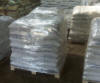
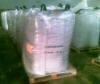
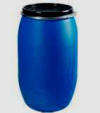
Monobasic Ammonium Phosphate Monobasic, Monoammonium Phosphate Manufacturers
Dibasic Ammonium Phosphate Dibasic Diammonium Phosphate ManufacturersMono, Monobasic Ammonium Phosphate Monobasic or Monoammonium Phosphate Manufacturers
Di, Dibasic Ammonium Phosphate Dibasic or Diammonium Phosphate ManufacturersMSDS of Monoammonium Monobasic Ammonium Phosphate Monobasic Manufacturers
MSDS of Diammonium Dibasic Ammonium Phosphate Dibasic ManufacturersMonoammonium phosphate or Ammonium dihydrogen phosphate or Monobasic Ammonium Phosphate or Ammonium phosphate monobasic, NH4H2PO4, is formed when a solution of phosphoric acid is added to ammonia until the solution is distinctly acid. It crystallizes in quadratic prisms. It is often used in the blending of dry agricultural fertilizers. It supplies soil with the elements nitrogen and phosphorus in a form which is usable by plants. The compound is also a component of the ABC powder in some dry chemical fire extinguishers. This substance is also supplied in a jade green or aquamarine crystal growing box kit for kids.
Uses:
Monoammonium Phosphate or Monobasic Ammonium Phosphate or Ammonium Phosphate Monobasic (MAP) is used as a fire-prevention agent for fabric, timber and paper, as well as a fire-prevention coating, and dry powder for fire extinguisher. For food grade the item is mainly used as a fermentation agent, nourishment, and so on. Used as a high effective non-chloride N, P compound fertilizer in agriculture. Its total nourishment (N=P2O5) is at 73%, and may be used as a basic raw material for N, P and K compound fertilizer.
Diammonium hydrogen phosphate, or diammonium phosphate, (NH4)2HPO4, is formed by evaporating a solution of phosphoric acid with excess of ammonia. It crystallizes in large transparent prisms, which melt on heating and decompose, leaving a residue of metaphosphoric acid, (HPO3).
Diammonium phosphate or Di ammonium phosphate ( DAP ) (chemical formula (NH4)2HPO4) is one of a series of water-soluble ammonium phosphate salts which can be produced when ammonia reacts with phosphoric acid. Other names include ammonium monohydrogen phosphate, and ammonium phosphate dibasic.
Uses
Diammonium phosphate or Dibasic Ammonium phosphate or Ammonium Phosphate Dibasic DAP is used as a fertilizer and a fire retardant. When applied as plant food, it temporarily increases the soil pH (more basic), but over a long term the treated ground becomes more acidic than before upon nitrification of the ammonium. It is incompatible with alkaline chemicals because its ammonium ion is more likely to convert to ammonia in a high-pH environment. As a flame retardant, it lowers the combustion temperature of the material, decreases maximum weight loss rates, and causes an increase in the production of residue or char.
DAP is also used as a yeast nutrient in winemaking and brewing mead; as an additive in some brands of cigarettes purportedly as a nicotine enhancer; to prevent afterglow in matches, in purifying sugar; as a flux for soldering tin, copper, zinc and brass; and to control precipitation of alkali-soluble and acid-insoluble colloidal dyes on wool.
Ammonium PhosphateAmmonium Phosphate Monobasic manufacturers
Monobasic Ammonium Phosphate Manufacturers
Ammonium Phosphate Dibasic manufacturers
Dibasic Ammonium Phosphate Manufacturers
Monoammonium Phosphate Manufacturers
Diammonium Phosphate Manufacturers:MUBY CHEMICALS
S-8, SARIFA MANSION, 2ND FLANK ROAD, CHINCHBUNDER, MUMBAI 400009, INDIA
TEL: (OFFICE) 91-22-23770100, 23774610, 23726950, 23723564. FAX: 91-22-23728264e-mail: info@mubychem.com
USA & Canadian Customers may e-mail: usa@mubychem.com
Copyright and Usual Disclaimer is Applicable.
Last updated: 03 June, 2014.Exports to USA Canada UAE Europe South Africa Tanzania Kenya Uganda Egypt Nigeria Turkey Australia Korea Mexico Brazil Argentina Chile Dubai etc.
God Grant me Serenity
To Accept the things that I can not Change
Courage to Change the things that I can Change
and Wisdom to know the Difference
Wise men never sit and cry over their loss. But work on to redress the same.
Monopotassium Phosphate Manufacturers; Potassium Phosphate Monobasic
Dipotassium Phosphate Manufacturers; Potassium Phosphate Dibasic
Tripotassium Phosphate Manufacturers; Potassium Phosphate TribasicMono Monosodium Monobasic Sodium Phosphate Monobasic
Di Disodium Dibasic Sodium Phosphate Dibasic
Tri Trisodium Tribasic Sodium Phosphate TribasicMono Ammonium Phosphate or Monoammonium Phosphate
Di Ammonium Phosphate or Diammonium Phosphate